
What’s Happening?
Queensland agricultural organisation AgForce has proposed changes to the Critical Minerals Bill before the legislation progresses.
AgForce supports responsible critical minerals projects and other major developments that provide genuine benefits for Queensland. Its requested changes focus on preserving landholder rights while the State Strategic Project regime is expanded.
Under the broader framework, qualifying private and public projects would gain access to additional State powers. AgForce says clearer safeguards are needed to protect agricultural businesses and fair commercial discussions.
Why It Matters
At the centre of AgForce’s position is the role of government in negotiations involving privately owned land. The organisation says commercial discussions should remain fair and free from unnecessary State pressure.
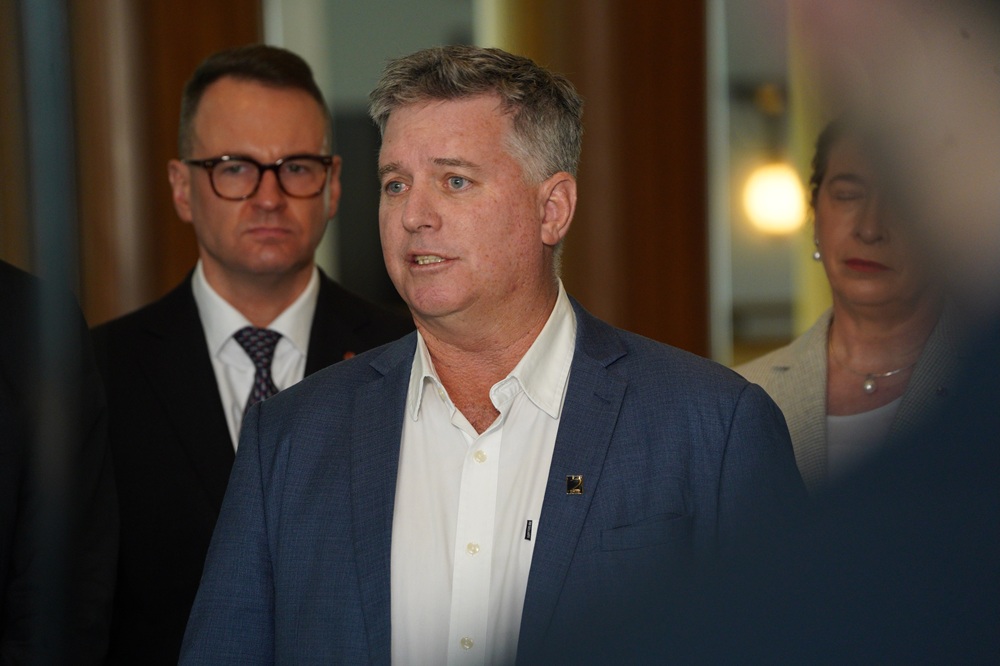
AgForce General President Shane McCarthy said, “The issue is the State should not be able to step into what would otherwise be a private commercial negotiation over someone’s land.”
AgForce opposes making compulsory acquisition available to projects not currently regarded as serving a public or State interest. It believes this could alter negotiations before acquisition is ever formally considered.
“Compulsory acquisition must remain a genuine last resort for matters of State or Public interest,” McCarthy said. “Existing compulsory acquisition powers should not be expanded in a way that allows them to sit in the background of a negotiation and change the bargaining position of the landowner. We do not oppose major projects, but we cannot condone circumstances where the State can undermine the commercial negotiation process or override key agricultural protections,” McCarthy said.
Local Impact
The Bill could allow proponents to access agricultural properties before all practical arrangements have been completed. AgForce says early access could interfere with livestock, crops, internal roads, water systems and daily farm operations.
Before any practical access occurs, it wants agreements covering biosecurity, workplace health and safety, road access, water access and compensation.
“Productive agricultural land is not simply land on a map,” McCarthy said. “It is where families operate their businesses and proper arrangements must be in place for on-farm safety, biosecurity, internal road access, water access and compensation before anything else proceeds.”
The organisation also wants farmers and graziers to receive funded professional advice throughout negotiations. This should include legal, valuation, agronomic and other expert support as a statutory entitlement.
AgForce says limiting this support to the final offer stage would leave landholders without assistance during earlier negotiations.
“Farmers and graziers should not be financially disadvantaged just because they are negotiating with well-resourced project proponents or government-backed interests,” McCarthy said.
By The Numbers
- AgForce wants landholders given 60 business days to consider a final unconditional offer, rather than the proposed 10 days.
- Eligible projects could receive four significant powers, including land access, enabling works, compulsory acquisition and changes to other legislation.
- Two existing agricultural classifications remain central to AgForce’s position, Priority Agricultural Areas and Strategic Cropping Areas.
Zoom In
AgForce wants productive agricultural land and agricultural productivity formally recognised as important State interests. It says food and fibre security should receive the same recognition alongside resource development.
The organisation also wants protections for Priority Agricultural Areas and Strategic Cropping Areas maintained. Increased parliamentary scrutiny should apply whenever State Strategic Project powers can change how other legislation operates.
“Queensland should not have to choose between major investment and essential agricultural interests,” McCarthy said. “Agricultural land must not be made less strategically important because of the Bill.”
Zoom Out
Queensland’s critical minerals sector may provide substantial investment and development opportunities. AgForce says those opportunities can be pursued without reducing the importance of agricultural land.
Its position is that productive farming areas require lasting protections because their loss may not be reversible.
“Productive farmland is finite,” McCarthy said. “Once fractured or lost, its productive use is gone forever. Practical, fair amendments must be made before this Bill becomes law.”
What To Look For Next?
AgForce is asking farmers, graziers and landowners to speak with their local State MPs before the Bill proceeds. It hopes this will ensure agricultural interests are properly considered during the legislative process.
The organisation will continue calling for good-faith commercial negotiations and clear farm access arrangements. It also wants compulsory acquisition limited to projects serving a genuine public or State interest.