
What’s Happening?
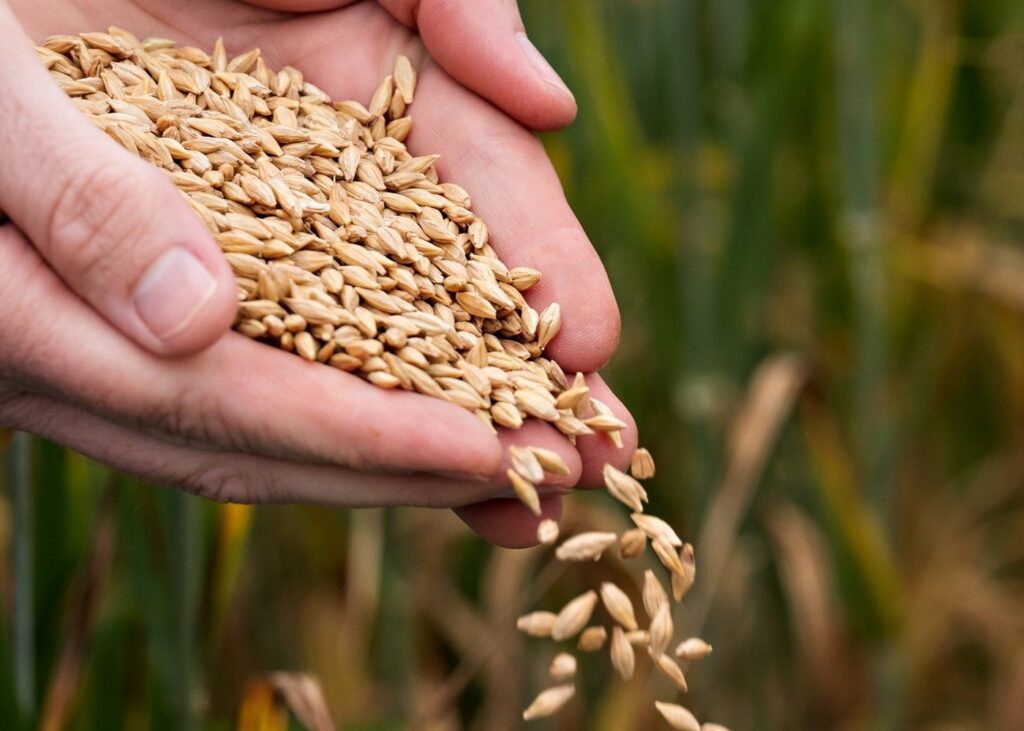
Barley seeds could carry fungicide-resistant disease into future crops, according to emerging research from the University of Southern Queensland (UniSQ).
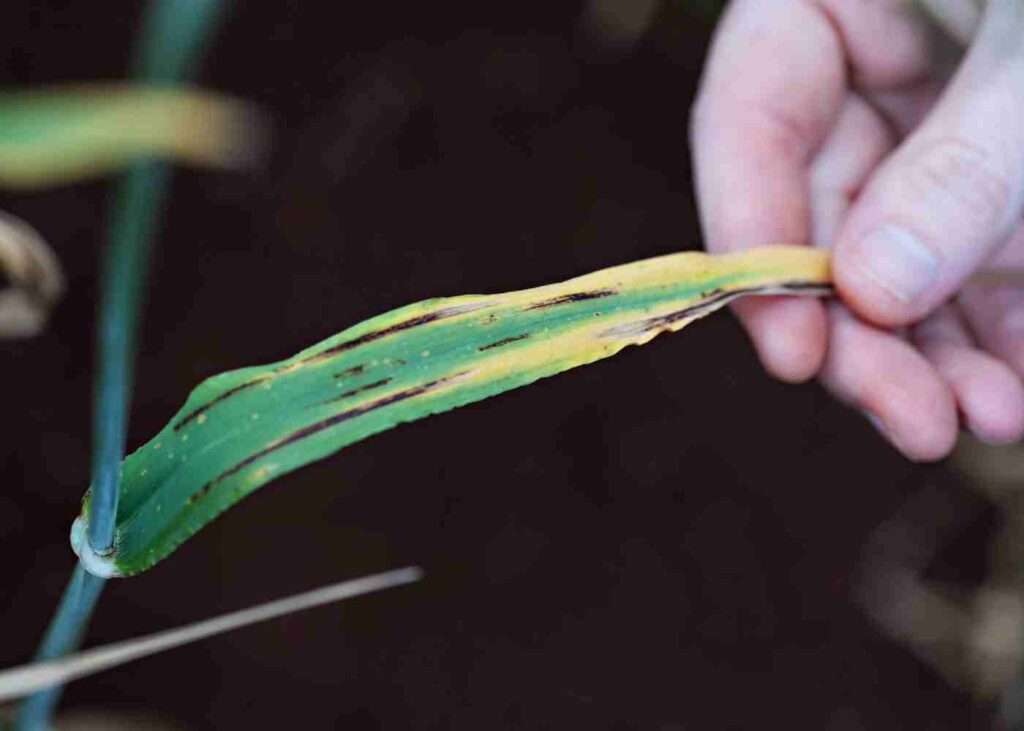
Researchers found evidence that net blotch, a disease affecting barley, can move from infected seed into developing seedlings.
The study examined barley seed collected from grower fields across the Darling Downs, revealing a previously unrecognised pathway for fungicide resistance to spread between cropping seasons.
Why It Matters
Net blotch is a significant concern for Queensland barley growers because it can reduce grain yields and affect crop production.
The research suggests that seed source may play an important role in managing disease risk, alongside existing practices such as choosing less-susceptible varieties and managing fungicide use.
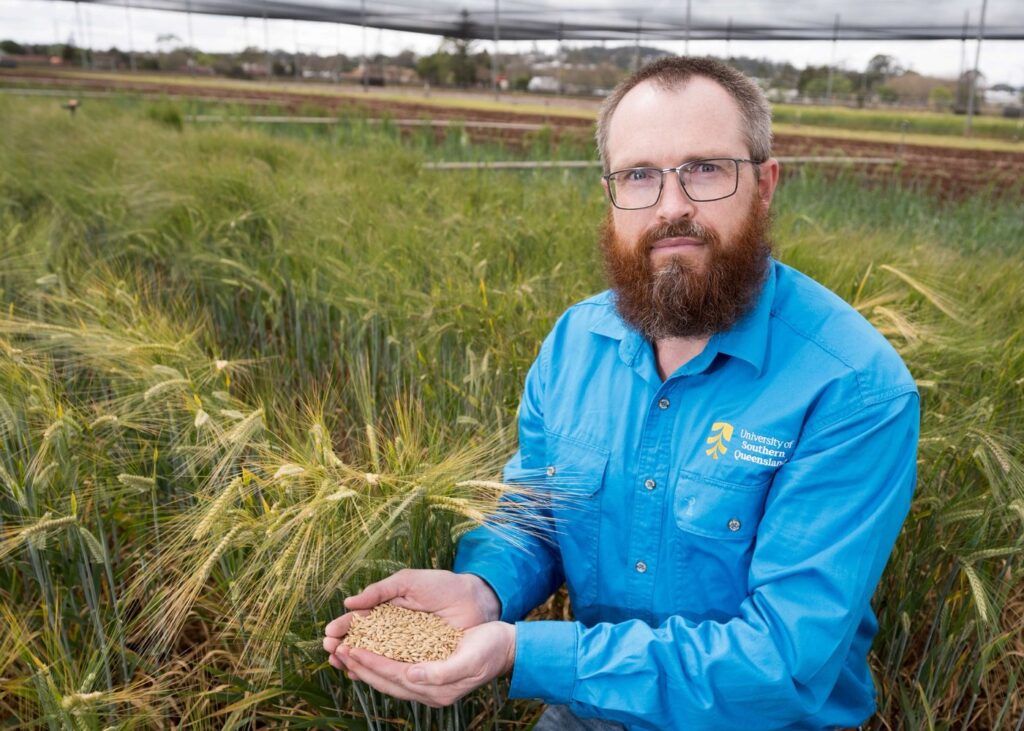
Lead researcher Dr Noel Knight said the findings introduced another consideration for growers.
“Seed isn’t just planting material. It can be a disease-management decision,” Dr Knight said.
Local Impact
The findings have particular relevance to the Darling Downs, where researchers collected barley seedlots from local grower fields.
The University of Southern Queensland, which has its main campus in Toowoomba, led the study through its Centre for Crop Health.
Researchers found evidence that fungicide-resistant net blotch can move from infected seed into developing seedlings. The discovery adds another consideration for growers managing disease risks in the region.
However, further research is needed to establish how widespread the problem is and how often transmission occurs between cropping seasons.
By The Numbers
- 13 of 16 seedlots: Researchers detected net blotch pathogen DNA in most of the samples tested.
- 10–40%: Potential barley grain yield losses associated with net blotch, with more severe outbreaks exceeding this range.
- $190 million: Approximate annual contribution of Queensland’s barley industry to the state economy.
Zoom In
The findings suggest infected seed could introduce both the disease and reduced fungicide sensitivity into a new crop.
Dr Knight explained that growers already use several methods to manage net blotch, including varietal resistance, reducing disease inoculum and rotating or mixing fungicides.
However, the research suggests growers may also need to consider where their planting seed comes from.
“If growers are doing everything recommended to manage disease but unknowingly plant seed carrying both the pathogen and reduced fungicide sensitivity, they could be introducing additional disease risk at the start of the season,” he said.
Zoom Out
The study also identified three seedlots without detectable net blotch, suggesting that lower-risk seed may be identifiable.
Researchers believe seed testing could eventually help growers make more informed decisions. However, testing for net blotch and fungicide resistance on seed is not currently available.
The research was conducted through the Broadacre Cropping Initiative, a joint investment by UniSQ and the Queensland Department of Primary Industries.
What To Look For Next?
The research team is preparing its findings for publication, with further investigation needed to understand how widespread seedborne fungicide resistance may be.
Researchers also want to examine how frequently transmission occurs across seasons and whether environmental conditions influence the process.
Dr Knight emphasised that the findings should be considered alongside existing disease-management practices.
“Rather than sounding the alarm, we’re adding another piece to the puzzle and giving growers another consideration to manage disease risk.”