
What’s Happening?
Dry conditions across southern Queensland weighed on the farmland market during the first half of 2026, according to the Australian Farmland Values Mid-Year Report from Bendigo Bank Agribusiness.
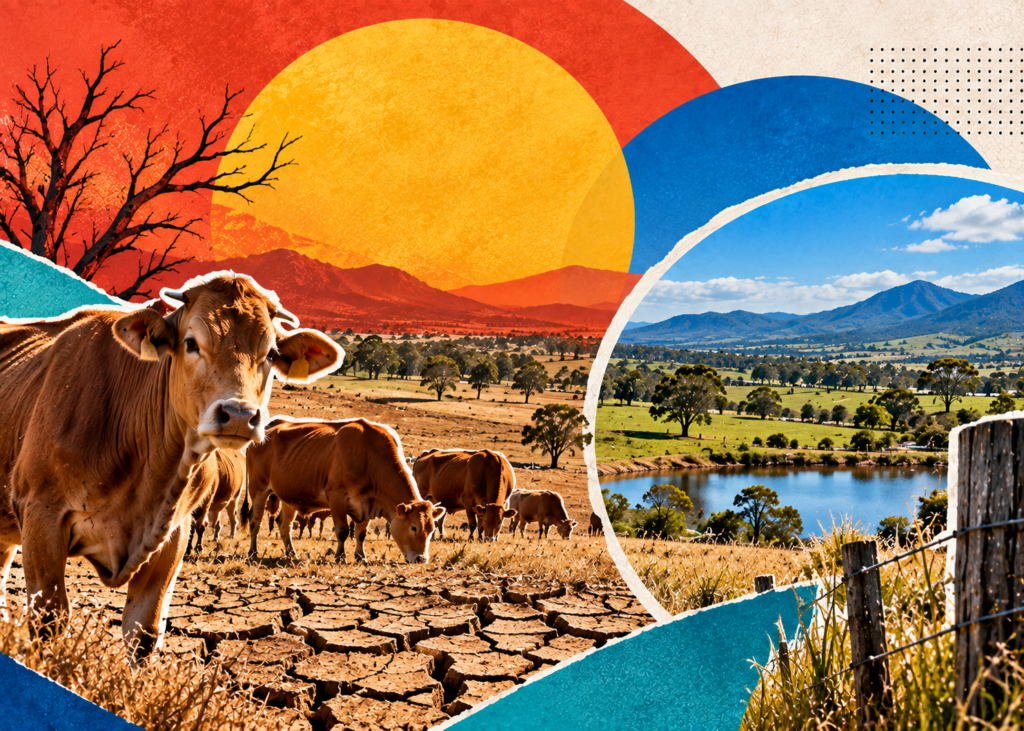
Southern Queensland and northern New South Wales received among the lowest rainfall on record to June. The conditions constrained pasture availability and affected crop establishment.
Why It Matters
Seasonal conditions were a key driver of farmland performance during the first half of the year.
While northern Queensland benefited from above-average rainfall, southern parts of the state experienced much drier conditions. The report said this affected crop production and moderated regional farmland growth.
Higher interest rates and rising operational costs also created challenges for parts of the agricultural sector. However, strong commodity prices, particularly across livestock, continued to support the broader farmland market.
Local Impact
Dry conditions reduced pasture availability and affected crop establishment across southern Queensland.
The report also found challenging market conditions facing cropping operations weighed on buyer interest. A rise in the cash rate affected more cost-sensitive agricultural sectors.
Despite these pressures, Queensland’s broader farmland market continued to record year-on-year price growth during the first half of 2026.
By The Numbers
- $11,047 per hectare was Queensland’s median farmland price during the first half of 2026, up 11.9 per cent year-on-year.
- 647 transactions were recorded across Queensland, down 10.8 per cent year-on-year and the lowest half-yearly sales volume in more than 32 years.
- 70 per cent was the increase in Queensland land values over the previous five years, contributing to affordability pressures affecting demand.
Zoom In
The report found mixed seasonal conditions across Queensland, creating different conditions for agricultural properties across the state.
Northern zones benefited from above-average rainfall, supporting pasture growth and horticultural yields. In contrast, much drier conditions in the southeast affected crop production.
Cattle markets remained buoyant and supported demand for grazing land. However, challenging conditions across cane, horticultural and cropping operations weighed on buyer interest.
Zoom Out
Despite dry conditions across southern Queensland, the statewide farmland market continued to record price appreciation.
Continued strength in cattle markets and ongoing consolidation of Queensland properties helped push the statewide median higher. Five of the state’s seven reported regions recorded year-on-year growth in median farmland prices.
However, the availability of land continued to tighten. The report said affordability pressures and ongoing consolidation contributed to fewer transactions, while some farmers increasingly considered smaller parcels, leasing and on-farm improvements instead of outright land purchases.
What To Look For Next?
Seasonal conditions will remain an important factor in the farmland market. The report said the establishment of an El Niño presents a headwind into 2027, with historical comparisons indicating a high probability of below-median spring rainfall across agricultural areas.
Bendigo Bank Agribusiness forecasts modest growth in Queensland farmland values into 2027. However, market direction will increasingly depend on seasonal conditions over the next six months and the direction of the cattle sector.
Check out the full report here.