
What’s Happening?
Toowoomba Regional Council will begin property inspections in November under its newly endorsed 2026–2027 Biosecurity Surveillance Program. The inspections will target invasive plants across the Region, with particular attention to areas facing greater biosecurity risks.
Council will use existing records and risk assessments to guide its inspections. Officers will check for prohibited and restricted plant species and assess how widely they have spread.
Parks and Recreation Services portfolio spokesperson Cr Tim McMahon said Council would focus its efforts where invasive plants pose the greatest concern.
Why It Matters
Invasive plants can create ongoing problems for landholders, especially when they spread between properties. Early identification helps Council understand their distribution and decide where to focus control efforts.
The program also supports Council’s duties under Queensland’s Biosecurity Act 2014. This legislation sets requirements for managing prohibited and restricted biosecurity matter.
However, Council cannot inspect every property or address every biosecurity issue at once. Its surveillance program therefore uses risk assessments to make the best use of available resources.
Local Impact
Council will prioritise inspections in Manapouri near Clifton, Clifton, Bongeen, Maclagan, Bergen and Goombungee. These locations have a greater risk of invasive plant activity, according to Council’s existing records.
“Priority areas include Manapouri (near Clifton), Clifton, Bongeen, Maclagan, Bergen and Goombungee, with inspections targeting plant species to confirm their presence and extent,” Cr McMahon said.
Council intends to inspect most properties within these priority areas. Meanwhile, its existing control work on Council-owned land will continue alongside the new program.
Key Points
- Inspections start in November: The surveillance program runs from 1 November 2026 to 31 October 2027.
- Higher-risk areas take priority: Council will concentrate inspections where its records and assessments indicate greater invasive plant risks.
- Landholders have responsibilities: Property owners must take reasonable and practical steps to minimise biosecurity risks.
Zoom In
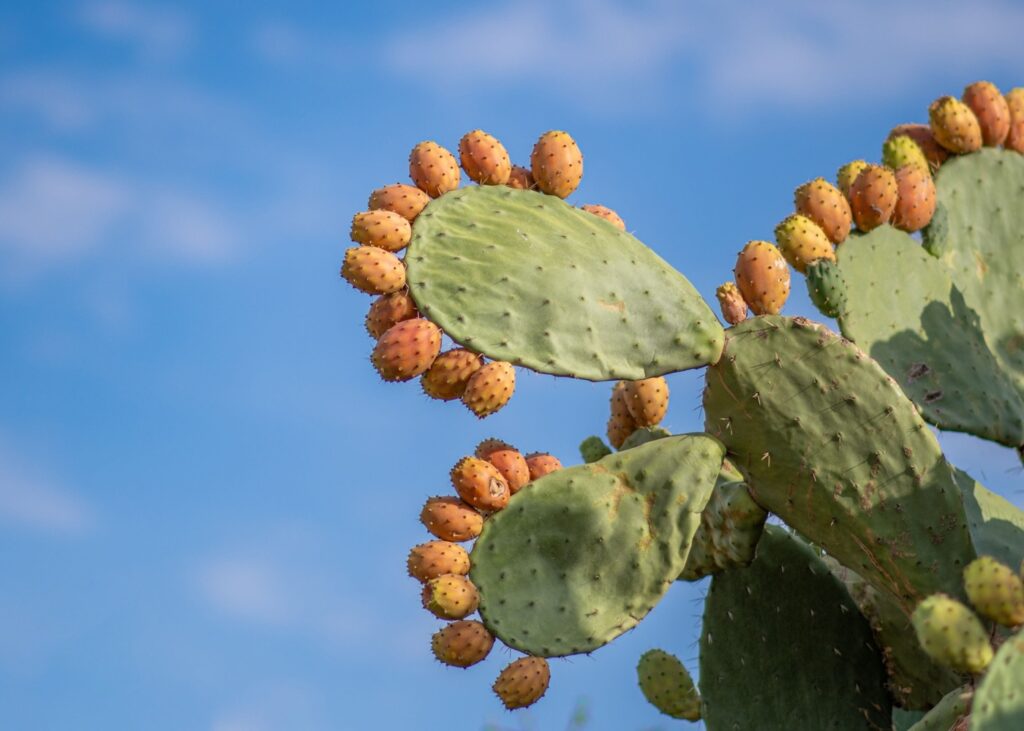
Inspectors will look for several invasive plants during property visits. These include Chilean needle grass, prickly pears, harrisia cactus, African boxthorn and honey locust.
Other targeted species include mother of millions, giant rat’s tail grass, giant Parramatta grass and groundsel bush.
Cr McMahon said Council selected its inspection areas using existing plant distribution records, risk assessments and available resources.
“The Plan works on a risk management basis to enable the most effective biosecurity management with available resources.”
Through these inspections, Council aims to confirm where invasive species occur and how extensively they have spread.
Zoom Out
Beyond the inspection program, Queensland landholders have a General Biosecurity Obligation. This requires them to take reasonable and practical measures to minimise biosecurity risks.
Council’s broader Biosecurity Plan also encourages community participation in controlling invasive plants and animals. It aims to improve public awareness and help residents recognise potential problems.
“The Plan seeks to raise public awareness of invasive plants and animals to increase the capacity and willingness of individuals to manage invasive species and participate in their control,” Cr McMahon said.
Council also wants to build a community that takes invasive species management seriously. However, it recognises that both landholders and local government face limits on their available resources.
What To Look For Next?
The surveillance program will continue until 31 October 2027. Council will focus on its identified priority areas while maintaining coverage across the wider Region.
Residents can find information about invasive species and their responsibilities through the Toowoomba Regional Council biosecurity information page.