
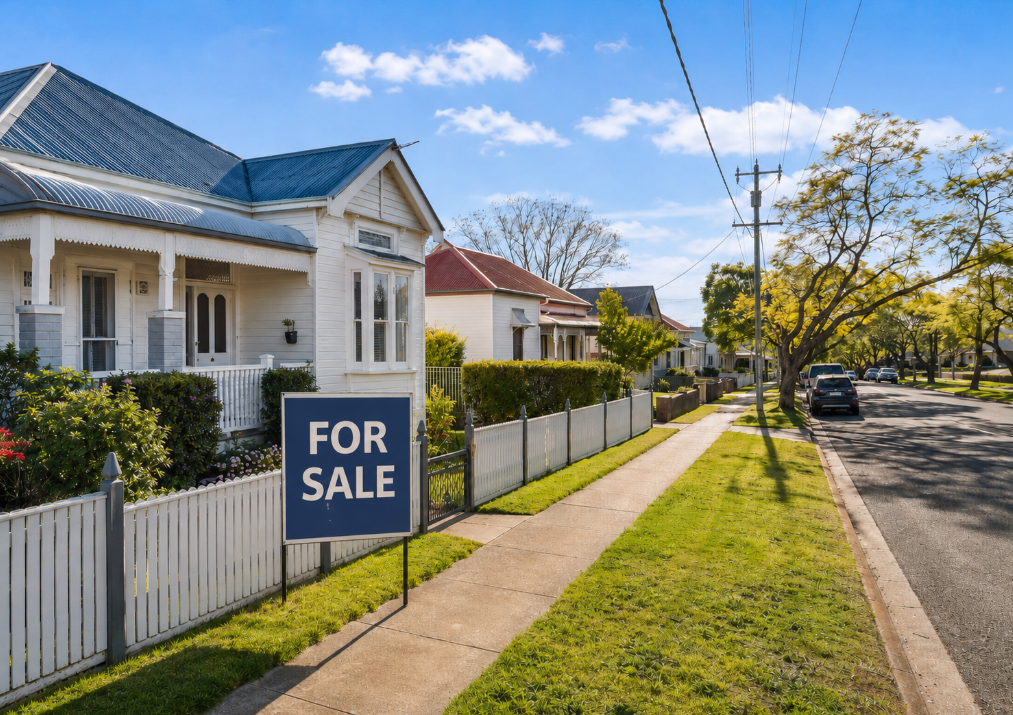
Toowoomba’s property market is defying the national trend of falling asking prices, according to the latest research from independent investment research house SQM Research.
The average asking price for all houses in Toowoomba rose 1.6 per cent to $854,367 during the past three months while the asking prices for units rose 2.6 per cent.
During the past year the asking prices for houses has risen 11.7 per cent while units rose an incredible 27.7 per cent.
SQM Research Managing Director Louis Christopher said May’s date pointed to a national market that is losing momentum.
“National listings recorded their strongest monthly rise in some time and have moved back into positive annual territory for the first time in over a year,’’ Mr Christopher said.
“When supply returns this quickly while prices stall, it is usually an early sign that the market is at a turning point, keeping in mind April recorded a seasonally low level of listings.”
“The flat national price reading masks what is actually happening across the major capitals.
“Sydney, Melbourne, Brisbane, Perth and Adelaide all recorded monthly falls in combined asking prices. The only markets still rising are the three smallest — Canberra, Darwin and Hobart.
“With five of the eight capitals now declining month-on-month, the moderation we flagged earlier this year is broadening.”
In contrast to Toowoomba, Brisbane (-1.0%) recorded minor monthly declines in asking prices, although it continued to post strong annual growth of 15.8 per cent.
However, the asking prices of homes in inner city Brisbane have fallen 15.5 per cent in the past three months to $2.05 million. Outer suburbs fared much better.
Mr Christopher said the number of distressed listing were also increasing in Queensland.
“Distressed listings jumped 5.1per cent over the month, led by Western Australia, South Australia and Queensland, all up around 9per cent,’’ he said.
“The annual figure is still negative, but year-on-year comparisons lag — the monthly trend is what matters here, and it is rising.
“The ACT is already 38per cent above where it was a year ago. We are watching this closely as an early indicator of mortgage stress.”