
What’s Happening?
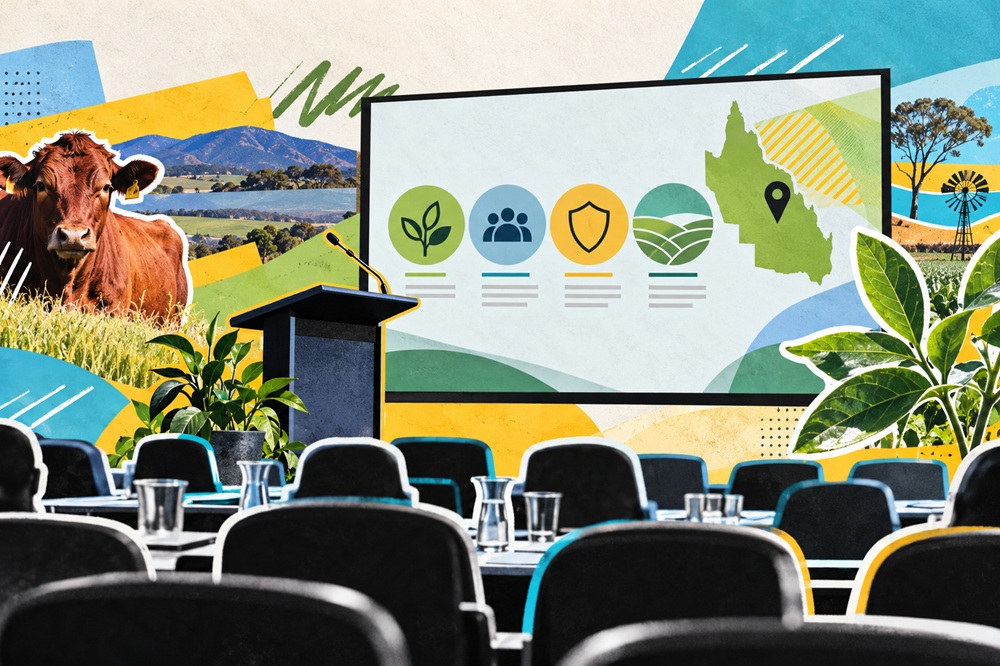
The Queensland Government announced a Regional Biosecurity Forum in Toowoomba to strengthen preparedness against emerging pests and diseases.
The forum aimed to bring government, industry and community stakeholders together to improve biosecurity practices across the region.
It also provided an opportunity to examine emerging threats, share successful approaches and strengthen cooperation across south and south-west Queensland.
The discussions formed part of a wider government effort to improve biosecurity awareness, preparedness and shared responsibility.
Why It Matters
Strong biosecurity practices help protect Queensland’s agricultural industries, environment and regional communities from potentially damaging pest and disease outbreaks.
However, effective protection requires more than government action. It also depends on cooperation between landholders, businesses, councils and industry groups.
Department of Primary Industries Deputy Director-General Dr Rachel Chay said regional knowledge was essential to building a stronger biosecurity system.
“Biosecurity does not stop at a farm gate or a government office, it is a shared responsibility across Queensland,” Dr Chay said.
She emphasised the importance of involving those directly affected by emerging threats when developing preparedness and response measures.
“We need to understand the risks facing our regions and make sure the people who are closest to those risks have a strong voice in how we prepare and respond.”
Dr Chay also connected improved biosecurity practices with Queensland’s broader agricultural ambitions.
“Enhancing our biosecurity practices is critical to the Queensland Government achieving the ambitious goal to increase the value of primary production to $30 billion by 2030.”
Local Impact
For Toowoomba and surrounding agricultural communities, the forum offered an opportunity to strengthen regional cooperation on biosecurity threats.
Local governments, producers and industry representatives could share experiences, identify regional concerns and discuss practical ways to improve outbreak preparedness.
The initiative also built on recent biosecurity response readiness workshops involving local government and industry.
Those workshops helped improve participants’ ability to respond to plant and animal pest and disease outbreaks.
By bringing regional knowledge into these discussions, the government aims to improve how communities prepare for and respond to biosecurity incidents.
By the Numbers
- 13 October 2026: The Regional Biosecurity Forum was scheduled in Toowoomba, focusing on preparedness, collaboration and shared responsibility.
- More than 70 stakeholders: A previous forum in Rockhampton brought together representatives from government, industry, local councils and communities across Central Queensland.
- $30 billion by 2030: The Queensland Government aims to increase the value of primary production to this level, with stronger biosecurity supporting that commitment.
Zoom In
The Toowoomba forum formed part of a regional programme designed to turn biosecurity knowledge into practical action.
Rather than focusing solely on government responses, the approach encourages landholders, businesses and community organisations to take shared responsibility.
The discussions were intended to help stakeholders understand emerging risks and strengthen their ability to respond when outbreaks occur.
Dr Chay said cooperation between regional stakeholders would be central to protecting Queensland’s industries and communities.
“These forums are about turning local knowledge into practical action and connecting stakeholders to work together to protect Queensland’s industries, environment and way of life from current and future biosecurity threats now and into the future.”
Zoom Out
The Regional Biosecurity Forum project is part of Primary Industries Prosper 2050, a joint Queensland Government and industry blueprint.
The programme supports efforts to strengthen Queensland’s biosecurity frontline while improving coordination between communities, industries and government agencies.
The Toowoomba event followed the recent ‘Biosecurity Done Well’ forum in Rockhampton, which examined regional biosecurity challenges.
Discussions there covered fire ants, emergency animal disease outbreaks, property entry, traceability and regional biosecurity profiles.
Speakers also highlighted successful practices that could help regional stakeholders better manage these threats.
Powerlink Communications advisor Eliza Ryan praised the Rockhampton forum for bringing together participants from different industries and community groups.
“To have farmers, agricultural sector specialists, environmental groups, LGA mayors, awarded contractors for major projects, renewable energy proponents, and a local MP Glen Kelly all in the same room for a full-day discussion on biosecurity was a significant achievement,” Ms Ryan said.
She said the discussions helped participants connect biosecurity responsibilities with decisions made across workplaces, properties and communities.
“The day was practical, motivating and genuinely thought-provoking. It moved well beyond high-level discussion and helped connect biosecurity to real decisions, behaviours and responsibilities – at the property gate, around the kitchen table, in boardrooms, on construction sites and across regional communities.”
What To Look For Next?
The regional forum programme could help more Queensland communities strengthen their preparedness through shared knowledge and practical cooperation.
For Toowoomba and surrounding regions, continued collaboration may improve how local stakeholders identify risks and respond to emerging threats.
As Primary Industries Prosper 2050 progresses, these partnerships could also support stronger protection for Queensland’s agricultural industries and regional communities.